



Founded in 1908, Golf d’Étretat owes its inception to British enthusiasts who, like many of their compatriots, spent their summers along the French coast. The club’s first president was Bernard Forbes, the 8th Earl of Granard. Among its earliest honorary members were notable British peers such as Lord Denman, future Governor-General of Australia, and Lord Wodehouse, Baron of Kimberley.
Initially, the course featured 13 holes. To complete a full 18-hole round, players would replay the first five holes, covering approximately 4,300 meters. The course was designed by Julien Chantepie, architect of the Golf de la Boulie, in collaboration with Arnaud Massy—the only French golfer to have won The Open Championship (1907)—who also taught at Étretat.
The original clubhouse was situated on land leased from Mr. Dubosc, owner of the Château de Fréfossé in Le Tilleul, near what is now the 11th green. Accessible only on foot, it offered players the chance to enjoy afternoon tea while taking in the same breathtaking views that captivate visitors today. At the time, sheep were employed to graze the fairways, effectively maintaining the course.


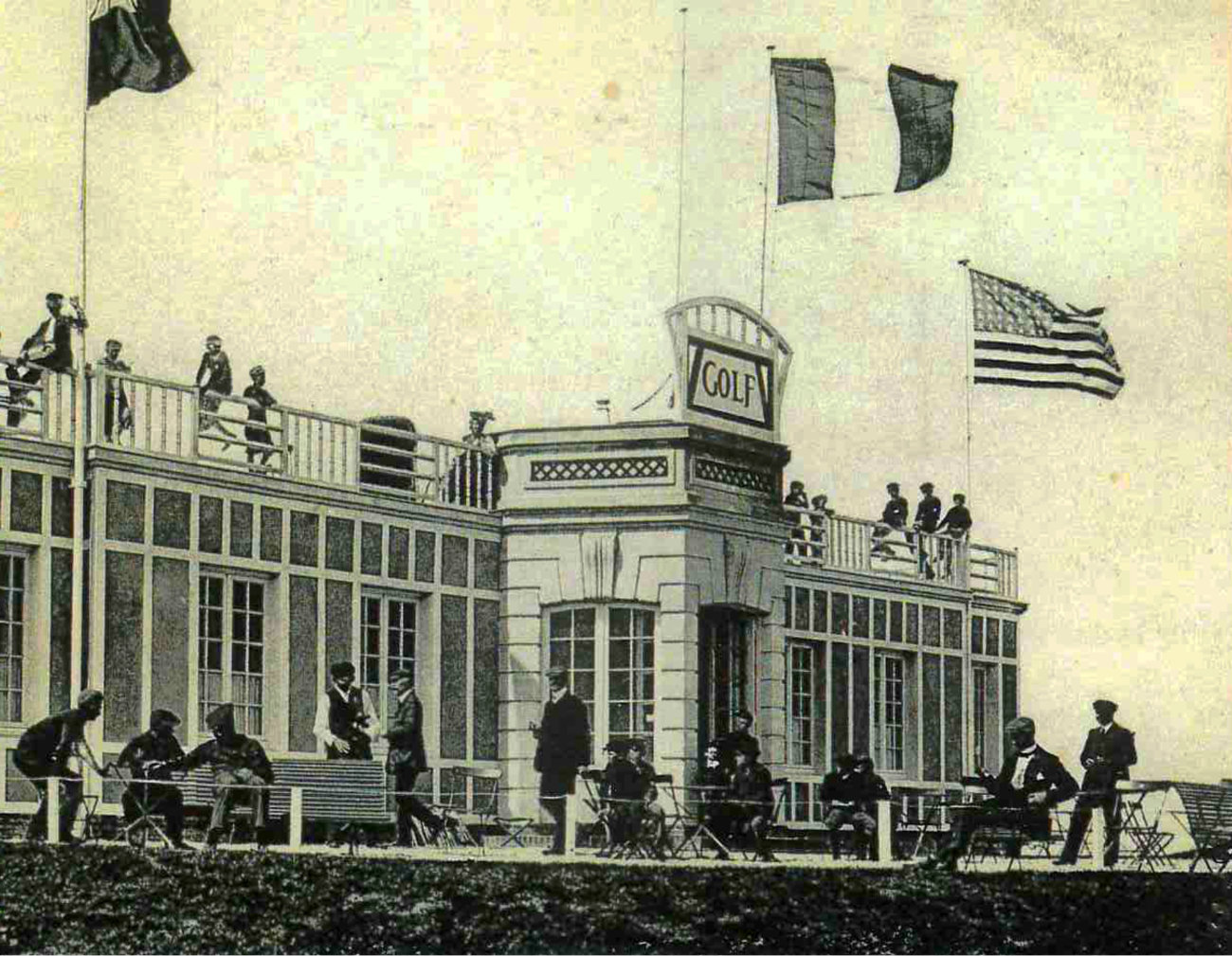

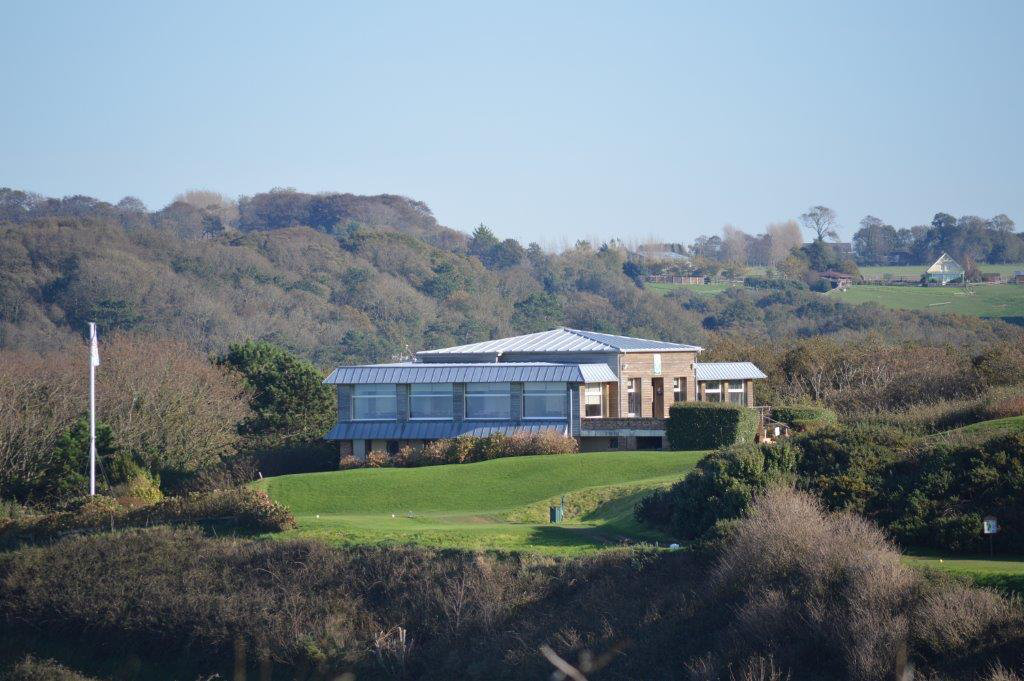
Following World War I, significant improvements were made under the guidance of the Société Foncière du Casino, which also managed the local Lawn Tennis Club. With advancements in rail and road transport, Étretat became just a four-hour journey from Paris, attracting more visitors. During this period, a new clubhouse was constructed overlooking the current Dormy House Hotel, the course was expanded to a full 18 holes, and automobile access was improved via the Route du Havre.
After the Foncière’s bankruptcy, the Association Sportive du Golf d’Étretat took over in 1937, thanks to financial support from Mr. Dubosc and leadership from Jacques Compère, along with dedicated members like Albert Mouchet and Maxime Lindon.
World War II posed significant challenges. The course was damaged, and the grounds were mined. However, Mr. Compère’s determination led to war reparations and the enlistment of prisoners of war to clear the mines. The club reopened in 1949, temporarily hosting members from Le Havre, whose own course had been destroyed. When Mr. Dubosc left the region in 1958, members pooled resources to purchase the land, a transaction ultimately completed by the town of Étretat in exchange for a long-term lease. This partnership has endured, with the association continually working to maintain and develop the club.
In 1992, the course underwent significant renovations, extending over 6 kilometers and offering a variety of play and landscapes to delight golfers. Today, the club features a gourmet restaurant within a renovated clubhouse, accessible to all—except our canine friends. Golf d’Étretat is twinned with Hockley Golf Club in Winchester, England, continuing the cross-Channel alliance that marked its origins and serving as a living testament to Étretat’s golden age.