


Golf and Biodiversity Program
During the ASGE General Assembly, the results of the ecological assessment conducted in 2022 by naturalist Cyriaque Lethuillier were presented.
Following the presentation, a morning of information and awareness activities for players was held on the course.
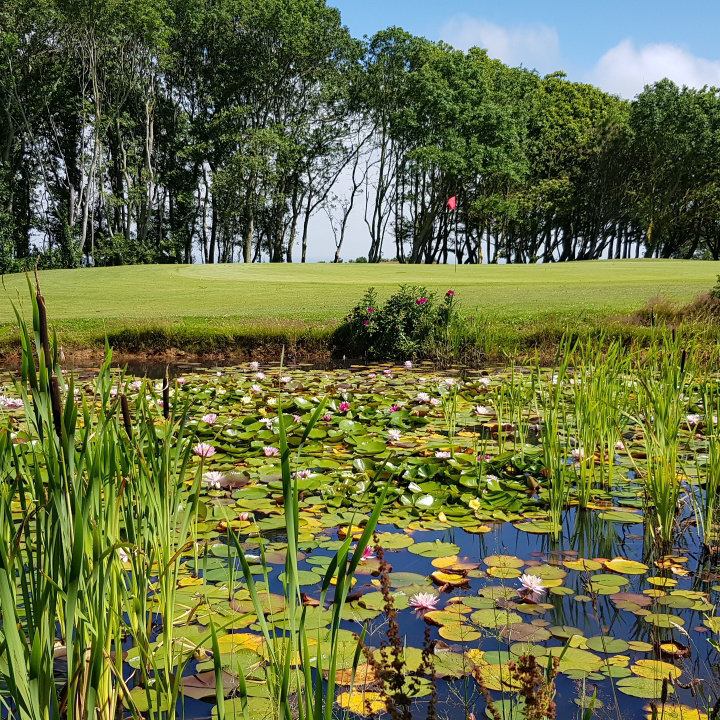
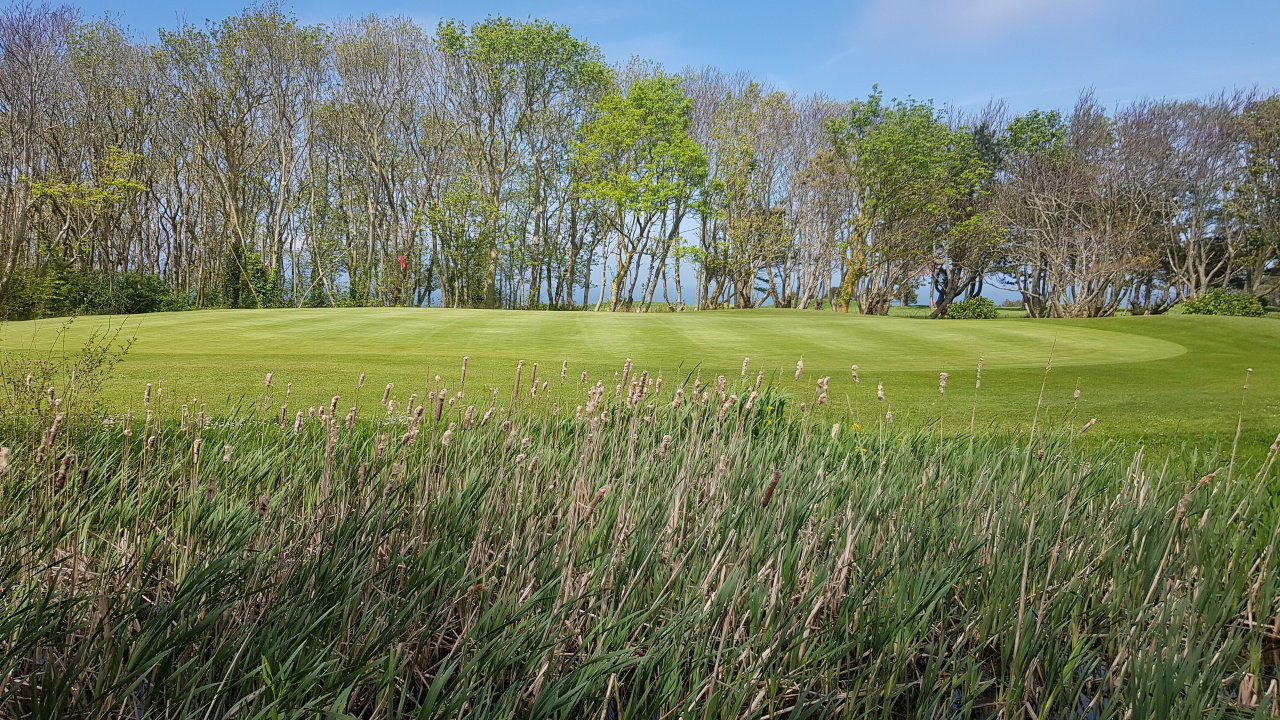
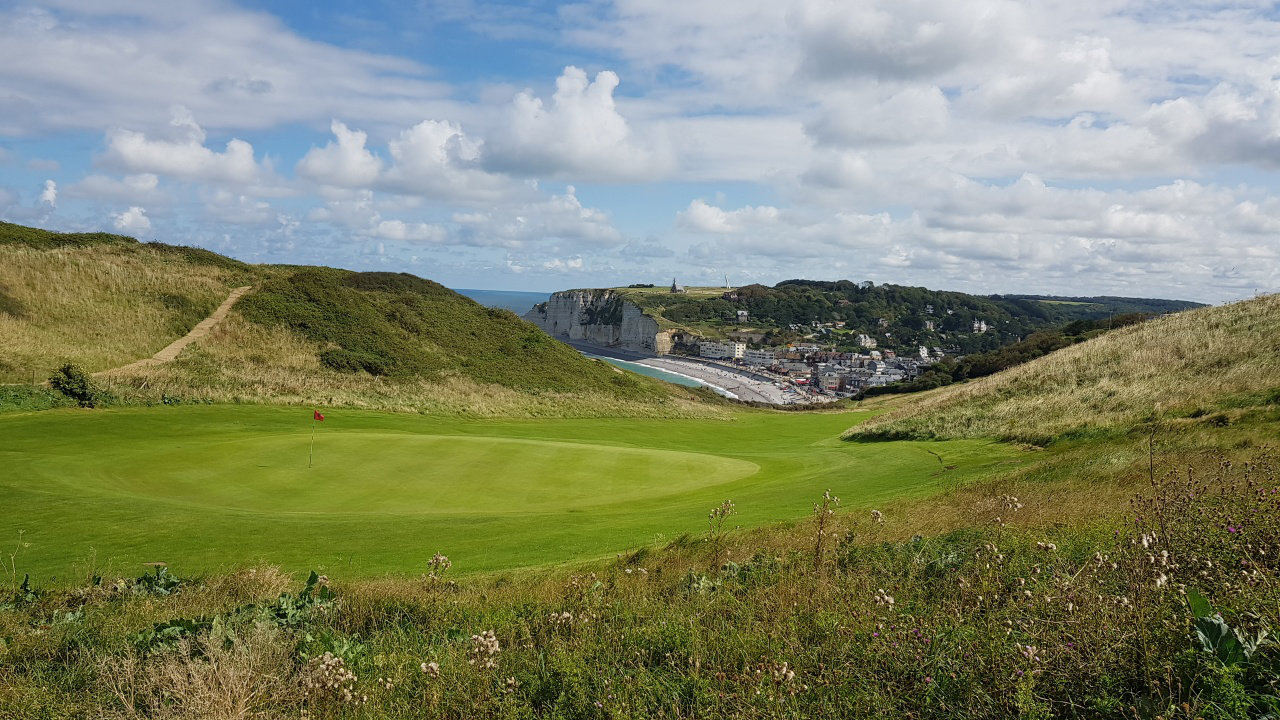
Covering an area of 47 hectares — between coastal cliffs, urban zones, cultivated farmland, and protected natural areas — the Étretat Golf Course is part of a remarkable ecological setting.
It lies within the boundaries of the Côte d’Albâtre protected site, which is part of a Grand Site de France initiative. The course is also part of a coastal ecological corridor recognized under the Natura 2000 network (SAC and SPA). It serves as a refuge for numerous species from open and forested habitats, especially in a context of increasing human pressure due to agricultural intensification and high tourist traffic.
As pressures on biodiversity increase and natural areas face intensified use, it is essential for land users and managers to have a solid understanding of the ecological issues on their land, to be able to assess the impact of their actions on biodiversity, and to implement suitable, biodiversity-friendly measures.
It is around this key focus — knowledge and preservation of biodiversity — that the French Golf Federation (ffgolf) and the French National Museum of Natural History (MNHN) have developed a national program to study biodiversity on golf courses in France.
Golf facilities, which cover around 30,000 hectares nationwide, are composed of approximately 50% natural habitats.
This study aims to provide insight into the biodiversity present on such sites, as well as the related ecological challenges. It also offers guidelines and tools for the management and development of golf courses, with the goal of improving their ability to support local wildlife and plant species.
Happy reading!